
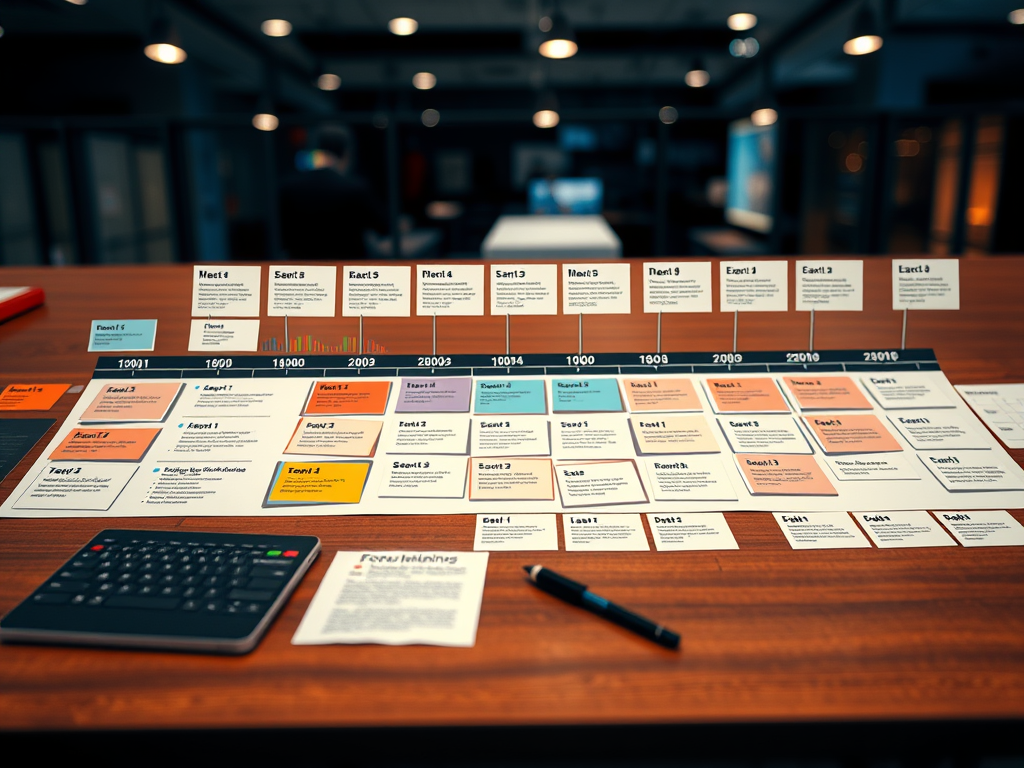
Every conference timeline looks reasonable when you first build it. Balanced. Logical. Calm. It lies.
Not maliciously — just optimistically. It assumes vendors respond on time, approvals happen quickly, and nothing unexpected pops up. Which is a beautiful fantasy, but not a plan.
Experienced planners learn early that timelines aren’t predictions — they’re best-case scenarios. The real work happens in the margins: delays, revisions, follow-ups, and the slow drip of “just one more thing” requests.
The problem isn’t that timelines exist. It’s that we treat them like promises instead of frameworks.
The pros know where the pressure points are. Where things always slip. Where decisions bottleneck. Where one delay quietly cascades into five others. That knowledge doesn’t live in project management software — it lives in experience.
The fix isn’t adding more detail. It’s building in reality. Space. Slack. Time to absorb the unexpected without everything falling apart.
A good timeline doesn’t just show when things should happen. It protects you when they don’t.
Before you move on to the next thing on your list, take a quick look at your current conference timeline. There’s probably at least one task on there that always takes longer than you plan for — speaker confirmations, approvals, content reviews, vendor turnaround, pick your poison. If you adjusted just one deadline to reflect reality instead of optimism, your future self would thank you. Timelines don’t fail because planners are bad at planning. They fail because reality doesn’t care how tidy things look on paper.
– The Anonymous Planner
Leave a Reply